
How to Sell a House With Mold or Water Damage (Disclosure, Value, Buyers)
The short answer
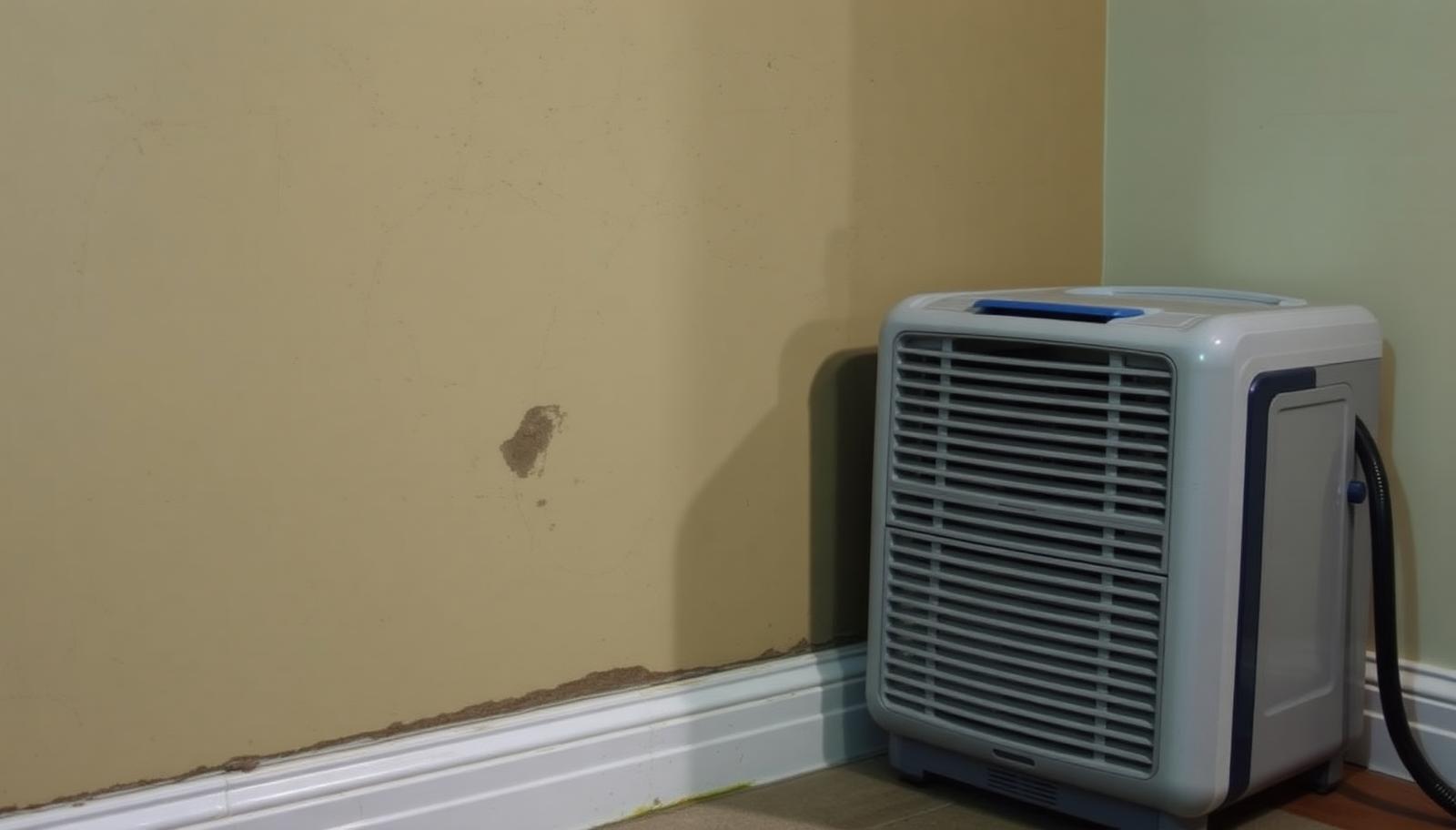
Yes, you can sell a house with mold or water damage — you just have to disclose it, and it will affect your price. Buyers and lenders react less to the mold itself and more to whatever is still causing moisture (a leaky roof, bad grading, plumbing failure, or poor ventilation). Fix the source and the mold is usually a manageable, moderate-cost cleanup; leave the source unresolved and most conventional buyers and their lenders will walk. Cash and as-is investor buyers routinely buy these houses without remediation being done first.
Mold scares people more than almost anything else in a home inspection, but from a repair-cost standpoint it's usually one of the cheaper problems on this list — if the moisture source has actually been fixed. If it hasn't, you don't have a mold problem, you have a recurring mold problem, and that's what tanks a sale.
Nothing here is legal, medical, or engineering advice. Remediation costs, disclosure laws, and mortgage overlays vary by state and lender — get a licensed inspector, remediation contractor, or attorney involved for anything specific to your house.
The source of moisture matters more than the mold
Mold is a symptom, not the disease. It grows wherever there's sustained moisture and organic material to feed on — drywall, wood framing, subfloor, insulation. Remediation companies can remove mold and treat the affected materials in a few days for a contained area. But if the roof still leaks, the crawlspace still floods, or a pipe is still weeping behind a wall, the mold comes back. Buyers' inspectors know this, which is why a mold disclosure without proof the source was fixed reads as an open-ended liability rather than a one-time repair.
Before you do anything else, get the moisture source identified and stopped: roof flashing, gutters and grading, a failed appliance supply line, a slow slab leak, condensation from poor ventilation, or a sump pump that's given out. Everything downstream — remediation cost, buyer confidence, appraisal — depends on this being solved first.
Do I need to fix the leak before I can sell?
Not before you list, but before most conventional buyers will close. You can market the house as-is with the source unresolved and be transparent about it, but expect financed buyers and their lenders to require it be fixed (or priced into a credit) before funding. Cash buyers are the ones most willing to take on an unresolved source themselves.
What remediation actually costs
Costs vary widely by region, contractor, and how much material has to be removed, but as a rough, non-binding sense of scale:
- Small, contained areas (a bathroom ceiling, a closet, a small patch under a sink) — often a few hundred to around $1,500–$2,000, depending on the market.
- Moderate areas (a basement wall section, an attic, a portion of a bedroom) — commonly several thousand dollars, often in the $2,000–$6,000 range once drywall, insulation, and air-quality testing are included.
- Extensive or whole-house remediation — can run well into five figures, particularly if HVAC ductwork, subflooring, or structural framing is affected.
On top of remediation, you may need separate costs to actually fix the source (a new roof section, regrading, plumbing repair) and to rebuild finishes afterward (drywall, paint, flooring). Get at least two quotes from licensed remediation contractors — prices for the same job can vary a lot between companies.
What you're required to disclose
Nearly every state requires sellers to disclose known material defects, and mold or a history of water intrusion generally counts. Rules differ on exactly how mold has to be disclosed — some states have specific mold disclosure forms, others fold it into a general property condition disclosure — but the underlying principle is consistent nationwide: if you know about it, you disclose it. Concealing known water damage or mold is one of the more common sources of post-closing lawsuits, so don't paint over a stain and hope no one notices.
Insurance claims and what they mean for a sale
If you filed a homeowners insurance claim for water damage, that claim history is attached to the property (through databases like CLUE) and can show up when a buyer applies for their own homeowners policy. Multiple water-damage claims on a property's history can make it harder or more expensive for a buyer to get insured, even after repairs are complete — which indirectly affects who can finance the purchase, since a lender won't fund a loan without a policy in place. Keep your claim records, repair invoices, and any contractor warranties; buyers and their insurance agents will often ask for them.
How lenders and appraisers react
Conventional and government-backed loans require the property to meet minimum property standards, and active mold or unresolved moisture intrusion is one of the more common reasons an appraiser flags a house for repair before the loan can close.
Can you get an FHA or VA loan on a house with mold?
Generally not while the mold is visible and active. FHA and VA appraisals both include habitability and safety standards, and appraisers are trained to flag visible mold, moisture staining, or signs of an active leak. In practice this usually means the remediation and source repair have to happen before closing (often paid for by the seller, sometimes financed through a repair escrow), because these loan programs don't allow the buyer to simply accept the property with the issue outstanding the way a cash buyer might.
Conventional loans have more flexibility in theory, but individual underwriters and appraisers still routinely require repairs on anything that looks like an active moisture or mold problem.
Do you need mold testing before you sell?
Not always. If the mold is visible, most remediation contractors will simply treat it without a lab test — testing mainly adds value when there's a dispute about extent, when air quality (not just surface mold) is a concern, or when you want documented "clearance" results to show a buyer that remediation was successful. A post-remediation clearance test and a written scope-of-work receipt from a licensed remediation company are often more persuasive to a buyer than a pre-sale test alone, since they prove the problem was actually resolved.
Who will actually buy a house with mold or water damage
- Cash and investor buyers — the most flexible group. Many will buy with the mold and moisture source unresolved and handle remediation themselves after closing, which is why they're often the fastest path when a house isn't in financeable condition.
- Conventional financed buyers — usually require remediation and the source fixed before or through the closing process, sometimes via a seller credit or escrow holdback.
- FHA/VA buyers — typically the least flexible; expect the issue resolved before the appraisal will pass.
Will mold or water damage stop me from selling my house at all?
No. It changes who can buy it and at what price, but it doesn't make a house unsellable. Even extensive damage still has a buyer pool — just a smaller and more cash-heavy one, at a discounted price that reflects the remaining repair cost.
Repair it yourself or sell as-is?
The math usually comes down to comparing your all-in repair cost (remediation, source fix, and cosmetic rebuild) against the price gap between a repaired sale and an as-is sale, minus the time, contractor coordination, and carrying costs of doing the work yourself. For a small, contained issue with an easy source fix, repairing before listing often nets more. For extensive damage, an unresolved structural source, or if you simply don't have the time or cash to manage contractors, selling as-is to a cash buyer can net a comparable amount once you subtract what a conventional sale would have cost you in repairs, closing delays, and financing fallout risk.
If you want a clearer picture of how that math plays out for your specific house, see how our process works or book a call to talk through the numbers with no obligation.
Questions sellers ask
Can I just paint over mold and sell the house?
You can, but it doesn't solve anything and it creates disclosure risk — painting over a known issue without disclosing it can expose you to a lawsuit after closing if the buyer later discovers it. It's also usually visible to a trained inspector regardless.
Does mold always mean structural damage?
No. Surface mold on drywall, tile grout, or trim is often cosmetic and inexpensive to remediate. Mold growing on framing, subfloor, or structural wood after prolonged moisture exposure is more serious and should be evaluated by a contractor or structural professional before you price a fix.
Will my homeowners insurance pay to fix it?
Sometimes, depending on the cause. Sudden, accidental water damage (like a burst pipe) is often covered; damage from long-term neglect, gradual leaks, or flooding usually isn't under a standard policy. Check your specific policy language or ask your agent before assuming coverage either way.
Loyal Property Partners LLC buys houses nationwide with active mold, past water damage, or unresolved moisture issues, as-is, with no remediation required from you and no fees. If you'd rather skip the contractor coordination altogether, get a cash offer and see what the house is worth in its current condition.
Want a Straight Answer on Your Property?
Tell us about the house and we'll walk you through your options — no fees, no repairs, and no obligation to accept anything.
More Guides on Selling a House Fast for Cash
 Cash Offer vs. Listing With an AgentA line-by-line comparison of a cash offer and a traditional agent listing — commissions, repairs, holding costs, and tim…
 How to Sell an Inherited HouseWhat heirs need to know before selling an inherited property: probate basics, stepped-up cost basis, clearing out belong…
 How Investors Find Off-Market PropertiesThe real sourcing channels behind off-market deals — wholesalers, direct mail, driving for dollars, probate and code-vio…