
How to Sell a House With Code Violations or Open Permits
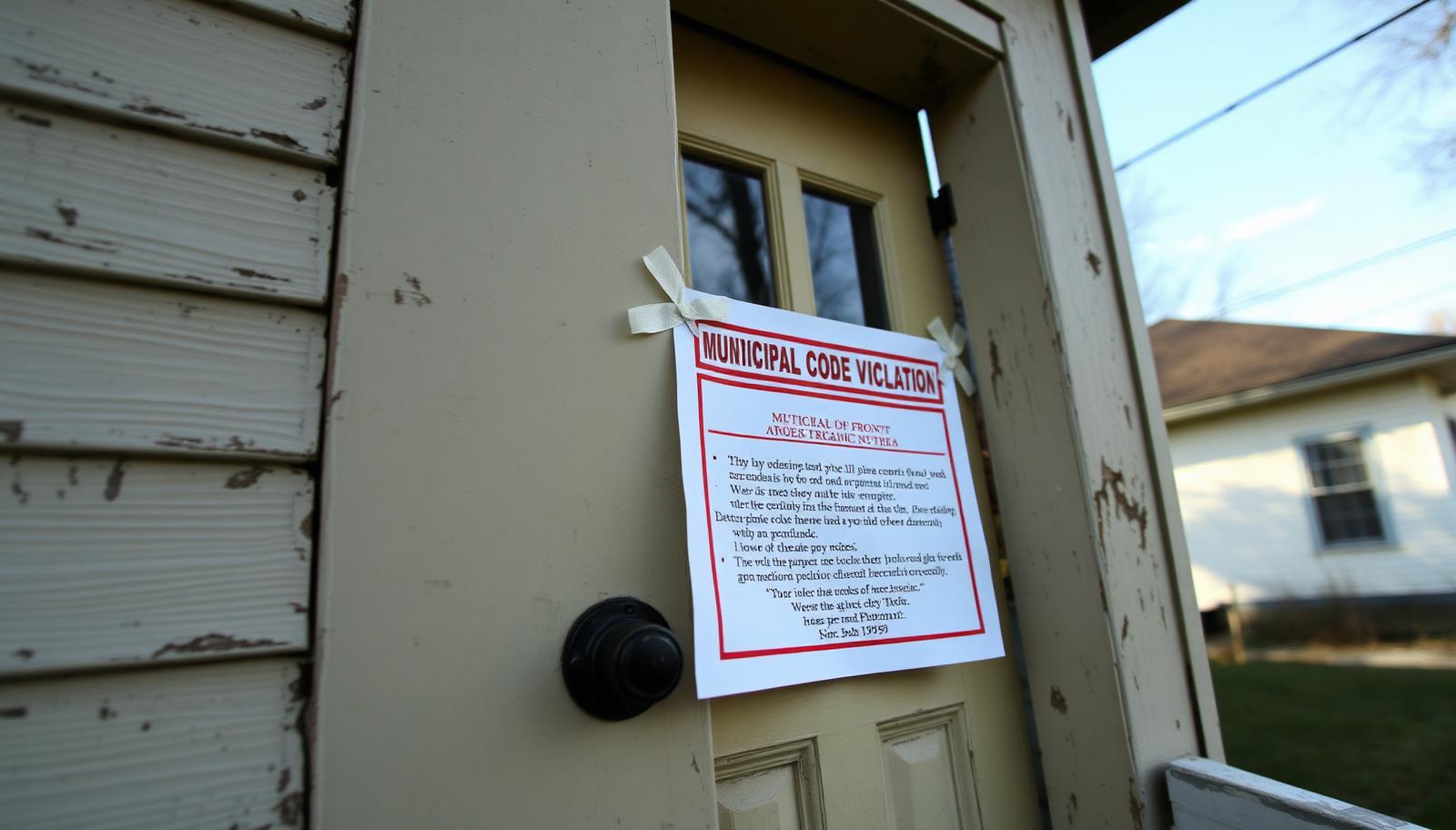
The short answer
Yes, you can sell a house with code violations or open permits — most sales close with them still on the books. What changes is who fixes the problem and when: you can disclose the issues and sell as-is (often to a cash buyer willing to take on the repairs), or you can pull permits, complete inspections, and clear violations before you list to a traditional buyer. Lenders financing a retail buyer will usually require open violations to be resolved first, which is why as-is sales to investors are so common for houses in this situation.
Code violations and open permits sound scarier than they usually are. Cities issue them constantly — for everything from an unpermitted deck to a water heater that was never inspected — and most get resolved through a fairly routine process. The real question isn't whether you can sell, it's how much time, money, and hassle you want to put into resolving things before closing versus letting a buyer take them on.
This isn't legal advice. Code enforcement rules, fine structures, and condemnation procedures vary by city and county, so check with your local building department for anything specific to your address.
Common types of code violations
Violations generally fall into a handful of categories, and knowing which kind you're dealing with matters a lot for how fast it can be resolved:
- Structural or safety issues — unsafe stairs, missing handrails, deteriorating foundations, electrical hazards, or exposed wiring flagged during an inspection or a neighbor complaint.
- Unpermitted work. A finished basement, added bedroom, converted garage, or new deck that was built without pulling the required permit and inspection.
- Property maintenance violations — overgrown landscaping, peeling exterior paint, broken windows, junk or debris accumulation, or an unmaintained pool.
- Zoning violations, like an accessory unit that isn't allowed under current zoning, or a home business operating without the required approval.
- Occupancy violations — too many unrelated occupants, or living in a structure not approved for residential use.
What happens if I have open permits when selling?
An open permit means work was started (or at least applied for) but never got a final inspection and sign-off from the building department. That leaves a public record showing incomplete work, which title companies and buyers' lenders routinely check for during a sale. An open permit alone usually isn't a violation by itself, but it raises questions a lender will want answered before funding a loan.
How to pull your own violation and permit history
Don't wait for a buyer's inspector to find out. Check for yourself early:
- Search your city or county's online permit portal. Most municipalities let you search by address or parcel number to see open and closed permits, and often a violation history too.
- Call or visit the building or code enforcement department directly if there's no online portal, or if you want a fuller record than the website shows.
- Request a code compliance certificate or letter, if your jurisdiction offers one — some cities will issue a written statement confirming there are no open violations, which can reassure a buyer.
- Review your title report once you're under contract, since some municipal liens and violations get recorded against the property and show up there.
How violation fines can turn into liens
Cities typically give an owner notice and a deadline to fix a violation. If nothing happens, fines start accruing — often daily — and many municipalities can record those unpaid fines as a lien against the property. Once that happens, the fine has to be paid or resolved at closing just like any other lien, and it can grow substantially the longer it sits unresolved. Some cities will also perform the repair or cleanup themselves (mowing an overgrown lot, for example) and bill the cost back to the owner as a lien.
If you already have a related lien issue, our guide to selling a house with liens walks through how those get paid off at closing.
Condemned houses and vacant property registration
In more serious cases — extensive structural damage, fire damage, or a property that's simply been vacant and deteriorating for a long time — a city can declare a house condemned or unfit for occupancy. That doesn't mean it can't be sold; it means the house generally can't be lived in until the issues are addressed, which narrows your buyer pool mostly to investors and cash buyers who plan to renovate.
Many cities also require owners of vacant properties to register them and pay an annual vacant-property fee, sometimes with escalating fines for non-compliance. If your house has sat empty for a while, check whether your city has this kind of ordinance before you list.
Can you sell a condemned house?
Yes. A condemnation notice restricts occupancy, not ownership, so the title can still transfer. Most buyers of condemned property are investors or cash buyers who factor the renovation cost into their offer, since a retail buyer's mortgage lender almost never finances a home in condemned status.
Do I have to disclose code violations when selling?
In most states, yes — known material defects, including known code violations and open permits, generally have to be disclosed to buyers, and violations that are a matter of public record will surface during a title search or buyer's due diligence anyway. Trying to hide a known violation is a common source of post-closing disputes and, in some states, legal liability for the seller. Disclosing upfront and pricing accordingly is almost always the cleaner path.
Fixing violations first vs. selling as-is
There are really two roads here:
- Retroactively permit and repair. You hire a contractor, pull the permit after the fact (sometimes with an extra fee), bring the work up to code, and get it finally inspected. This can take weeks to months depending on the scope and how backed up your local building department is, but it opens the sale up to traditional, financed buyers.
- Sell as-is and disclose everything. You price the house to reflect the cost of resolving the violations and sell to a buyer — typically a cash buyer or investor — who's comfortable taking that on. This is usually faster and requires no repair work or contractor coordination on your end.
Which one makes sense depends on your timeline, how much the repairs would cost, and whether you'd rather do the work or take a lower price and hand the problem off. See our overview on selling your house for cash if the as-is route looks like the better fit.
Will a cash buyer really take on code violations?
Many will, yes. Investors who buy distressed or as-is property routinely budget for permit work, code compliance, and even condemnation repairs as part of their renovation costs. That's the main reason cash buyers exist for these situations — they're pricing in the work a retail buyer's lender would refuse to finance around.
Questions sellers ask about code violations
Can I sell my house with an open permit?
Yes, but expect it to come up during the buyer's title search or lender underwriting. Some buyers and lenders will require the permit closed before funding; cash buyers are typically more flexible and will often close with it still open.
How much do code violation fines usually cost?
It varies enormously by city and violation type, from a modest one-time fee to daily fines that add up quickly the longer a violation goes unaddressed. Check with your local code enforcement office for your specific fine schedule rather than assuming a number.
What if I inherited a house with old violations I didn't cause?
The violations still attach to the property, not to a particular owner, so they need to be addressed as part of your sale regardless of who caused them. If you're navigating this alongside an estate or probate process, our guide on selling an inherited house covers how the two issues typically overlap.
Does homeowners insurance still cover a house with violations?
Sometimes not fully — insurers can deny claims or decline to renew a policy if they discover unpermitted work or known safety violations. That's worth checking with your carrier directly if you plan to hold the property for any length of time before selling.
Loyal Property Partners LLC buys houses nationwide with open permits, code violations, and even condemnation notices attached. We do our own due diligence on the violation history, make a cash offer that accounts for it, and close on your timeline — no repairs, no permits to chase down, and no obligation. If you'd like to talk through your specific situation, you can always book a call with our team.
Want a Straight Answer on Your Property?
Tell us about the house and we'll walk you through your options — no fees, no repairs, and no obligation to accept anything.
More Guides on Selling a House Fast for Cash
 Cash Offer vs. Listing With an AgentA line-by-line comparison of a cash offer and a traditional agent listing — commissions, repairs, holding costs, and tim…
 How to Sell an Inherited HouseWhat heirs need to know before selling an inherited property: probate basics, stepped-up cost basis, clearing out belong…
 How Investors Find Off-Market PropertiesThe real sourcing channels behind off-market deals — wholesalers, direct mail, driving for dollars, probate and code-vio…