
How to Sell a Hoarder House Without Cleaning It Out
The short answer
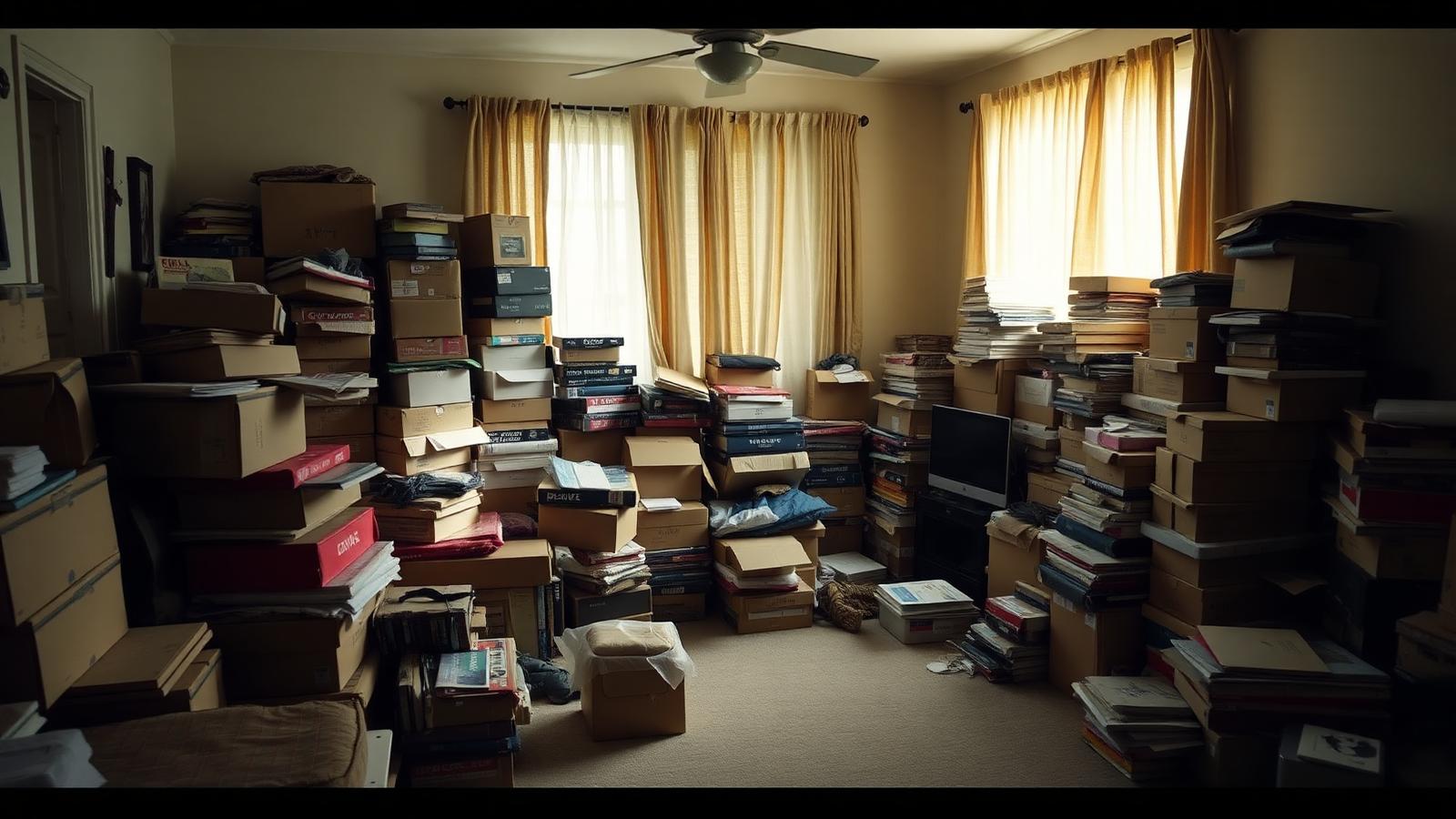
You can sell a hoarder house without cleaning it out first — most cash buyers and investors will purchase the property with the contents still inside, priced to account for the cleanout and repair work they'll take on. This matters because a full professional cleanout can take weeks and cost thousands of dollars, money and time that families dealing with a hoarding situation often don't have. Financed buyers and traditional listings generally require the home to be cleared and repaired first, which is why an as-is sale is the more common route.
Hoarding situations are emotionally difficult, whether the home belonged to a parent, another family member, or you're the one stepping in to help. This guide is written without judgment. It covers the practical questions: is the house safe to sell as-is, what does cleanout actually cost, how does a hoarder house affect financing and appraisals, and how do you move forward if a family member is involved.
Safety and biohazard concerns first
Before anything else, assess whether the home poses a health or safety risk to anyone entering it. Common issues in long-term hoarding situations include:
- Blocked exits and structural overload — stacked items can block doorways or place excessive weight on flooring.
- Pest infestation, including rodents and insects drawn to stored food, paper, and clutter.
- Mold and moisture damage hidden behind stacked belongings, especially in basements and along exterior walls.
- Biohazard material in cases involving pets, spoiled food, or a person who was unable to maintain basic sanitation — this may require a specialized biohazard cleanup crew rather than a standard junk removal service.
If you're unsure about the severity, a cleanout company that specializes in hoarding situations can do a walkthrough and flag anything that needs professional handling before anyone else enters.
What a cleanout actually costs and how long it takes
Cleanout cost depends heavily on the volume of items, whether biohazard remediation is needed, and local disposal fees. Rough cost drivers to be aware of:
- Volume and density of belongings. A home packed floor-to-ceiling across every room takes far longer to clear than a home with clutter concentrated in one or two areas.
- Dumpster and disposal fees, which vary by municipality and by how much material must go to a landfill versus being donated or recycled.
- Labor. A full-house hoarding cleanout is physically demanding and often needs a multi-person crew over several days, not a single afternoon.
- Specialty items. Sorting through papers for financial or sentimental documents, or safely disposing of chemicals, expired medications, or damaged furniture, adds time and cost.
- Post-cleanout repairs, such as flooring replacement or odor remediation, once the belongings are out and the underlying damage is visible.
Depending on the size of the home and severity of the accumulation, a professional cleanout can take anywhere from a few days to several weeks, and cost can range from a few thousand dollars into five figures for the most severe cases. Getting a couple of quotes from local cleanout or junk-removal companies before deciding your path is worth the hour it takes.
Clean it up first, or sell as-is with contents?
Reasons to clean it out before selling
If the home is in a desirable neighborhood, structurally sound underneath the clutter, and a family member has the time and bandwidth to manage a cleanout crew, clearing the home first can open it up to a wider pool of buyers and a higher listing price.
Reasons to sell as-is with contents included
- You want to avoid the emotional toll of sorting through decades of belongings.
- Family members are out of state or unable to manage the logistics.
- The cleanout cost estimate is high relative to the home's value.
- There are safety or biohazard concerns better handled by a specialized crew after the sale.
- You need to close quickly, for financial or estate reasons.
Most sellers in a hoarding situation choose to sell as-is, because the buyers who purchase these homes already factor the cleanout into their offer and have crews to handle it efficiently.
How it affects financed buyers and appraisals
A heavily cluttered or damaged home is difficult, and sometimes impossible, to sell to a buyer using a conventional or FHA loan. Appraisers need clear access to inspect the home's condition, and underwriters generally require the property be free of health and safety hazards. FHA and VA loans in particular have minimum property standards that a hoarder house is unlikely to meet without a cleanout and repairs first. This is the core reason cash buyers — who don't require an appraisal or lender sign-off — are the more practical route for these properties.
Working with a family member or the estate
If the hoarding situation involves a living family member, approach the conversation with patience — hoarding is often tied to underlying mental health, trauma, or medical issues, and pressure alone rarely resolves it. Involve the person in decisions where possible, and consider a geriatric care manager or mental health professional if the family needs guidance on how to proceed respectfully.
If the home is part of an estate after the person has passed away or moved into care, the process resembles selling any inherited property: confirm who has legal authority to sell, get the heirs aligned on a plan, and decide together whether any belongings should be retrieved before an as-is sale.
A step-by-step plan
- Do a safety walkthrough, or have a cleanout company do one, to flag any biohazard or structural concerns.
- Retrieve documents, financial records, and sentimental items you want to keep.
- Get a repair and cleanout cost estimate so you can compare it against likely sale prices.
- Decide between a full cleanout-and-list approach or an as-is sale with contents included.
- Contact cash buyers or investors who explicitly work with hoarder and cluttered homes.
- Compare written offers against your cleanout-and-list estimate before committing.
- Set a closing timeline that gives you room to retrieve any remaining items you want.
Questions people ask about selling a hoarder house
Do I have to clean out a hoarder house before selling it?
No. Cash buyers and investors regularly purchase homes with belongings still inside and handle the cleanout themselves as part of the deal.
Will a hoarder house pass inspection?
Usually not for a financed sale — inspectors and appraisers need clear access, and lenders often require health and safety issues be resolved first. As-is cash sales typically skip a formal inspection contingency entirely.
How much less will I get for a house sold with contents inside?
The discount reflects the buyer's estimated cost to clean out and repair the home, similar to how any as-is offer accounts for renovation costs. Ask for a breakdown of how the offer was calculated so you can judge whether it's reasonable for your local market.
What happens to belongings the buyer doesn't want?
Reputable as-is buyers typically dispose of, donate, or recycle remaining items as part of the purchase, at no additional cost to the seller. Confirm this is included in writing before you sign.
Is it embarrassing to show a hoarder house to a buyer?
Buyers who specialize in these properties have seen the full range of conditions and are focused on the numbers, not judgment. Many as-is buyers can make an offer from photos or a brief walkthrough without a traditional open house.
Loyal Property Partners LLC buys houses nationwide as-is, contents and all, with no cleanout, repairs, fees, or obligation required to get an offer.
Want a Straight Answer on Your Property?
Tell us about the house and we'll walk you through your options — no fees, no repairs, and no obligation to accept anything.
More Guides on Selling a House Fast for Cash
 Cash Offer vs. Listing With an AgentA line-by-line comparison of a cash offer and a traditional agent listing — commissions, repairs, holding costs, and tim…
 How to Sell an Inherited HouseWhat heirs need to know before selling an inherited property: probate basics, stepped-up cost basis, clearing out belong…
 How Investors Find Off-Market PropertiesThe real sourcing channels behind off-market deals — wholesalers, direct mail, driving for dollars, probate and code-vio…