
How to Sell a Fire Damaged House (Insurance, Value, and Buyers)
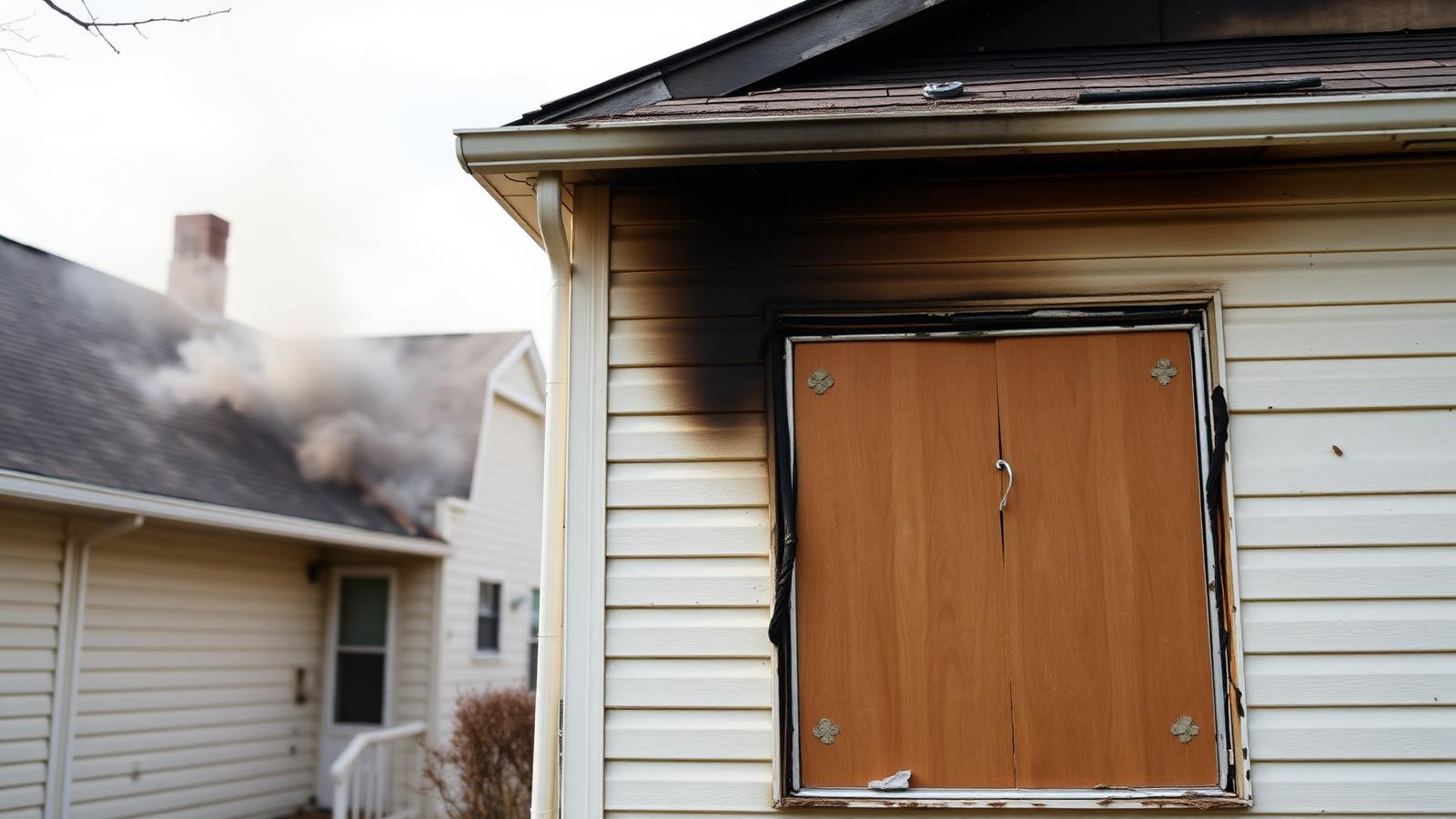
The short answer
Yes, you can sell a fire damaged house — either after restoration or as-is, before any repairs are made. The right path depends on the extent of the damage, how much insurance money is available, and whether you want to manage a rebuild or move on quickly. Most owners who sell as-is do so to investors, builders, or cash buyers who specialize in damaged property, since traditional financed buyers usually cannot get a mortgage on a home with unrepaired fire damage. Disclosure of the fire and its effects is required in nearly every state, regardless of which path you choose.
A house fire is one of the most disruptive things a homeowner can go through, and the weeks afterward are usually spent dealing with adjusters, contractors, and a home that may be unlivable. Selling is often the simplest way to move forward, but it works differently than a normal sale. This guide covers what to do right after a fire, how insurance and mortgage payoff interact, what fire damage does to value, and who actually buys these houses.
Nothing here is insurance, legal, or tax advice — confirm state-specific disclosure rules and policy details with your agent, attorney, or claims adjuster.
Immediate steps after a house fire
The first few days set the tone for everything that follows. A reasonable sequence:
- Get an occupancy determination from the fire department or building inspector. This tells you whether the home is safe to enter and whether it needs to be secured or condemned.
- Secure the property. Board up windows, tarp the roof if needed, and change locks. An unsecured burned house attracts trespassers and voids some insurance protections.
- File the insurance claim immediately. Most policies require prompt notice. Take photos and video before anything is moved or cleaned up.
- Contact your mortgage lender if there's an outstanding loan — the policy almost certainly names the lender as a loss payee, which affects how claim funds are disbursed.
- Arrange alternative housing. Many homeowners policies include loss-of-use coverage for temporary living expenses while the home is uninhabitable.
How the insurance claim and mortgage payout work
Fire claims typically pay out in two ways: a lump sum for damage based on an adjuster's estimate, or staged payments tied to repair progress if you're rebuilding. If you have a mortgage, the insurer usually issues checks jointly to you and the lender, and the lender often holds the funds in an escrow-like account, releasing them in draws as repair work is inspected and completed.
If you decide to sell instead of repairing, a few things commonly happen:
- The lender is paid off from sale proceeds, and remaining claim funds not yet disbursed are typically assigned or paid at closing rather than kept by the seller outright — the exact mechanics vary by lender and state.
- Some buyers of fire damaged property will negotiate to have the insurance claim proceeds — or the right to pursue them — transferred as part of the sale, which can raise the effective price.
- If you've already received insurance money and used some of it for living expenses or partial repairs, be prepared to document that for the lender and any buyer's due diligence.
Ask your insurer directly whether you can sell the house as-is and keep unspent claim proceeds, or whether the payout is contingent on completing repairs. Policies differ significantly on this point.
Restoring the house vs. selling as-is
When restoration makes sense
If the fire was contained to a small area — a kitchen fire that didn't reach the attic or structural framing, for example — and your insurance payout comfortably covers the repair estimate, restoring the home before selling can produce a higher final sale price and open the buyer pool to conventional and FHA financed buyers.
When selling as-is makes more sense
Selling as-is is usually the better call when:
- The fire caused structural damage to framing, trusses, or the foundation.
- The insurance payout is insufficient, delayed, or contested.
- You don't want to manage a contractor and permitting process, especially from out of state.
- Smoke and soot have penetrated deeply enough that full remediation would cost more than the house is worth after repair.
- You need cash quickly and can't wait out a 6–12 month rebuild.
What fire damage does to a home's value
Buyers and appraisers weigh several factors when pricing a fire damaged property:
- Structural damage. Damage to the roof structure, load-bearing walls, or foundation is the most expensive to fix and has the biggest effect on value.
- Smoke and soot penetration. Smoke odor and residue can travel through HVAC ducts, insulation, and wall cavities far beyond the visible burn area, requiring extensive remediation even in rooms that weren't directly burned.
- Water damage from firefighting efforts. The water used to extinguish a fire often causes as much or more damage than the flames — warped flooring, mold risk, and electrical damage.
- Extent of the burn area. A localized fire is far less costly to remediate than one that spread through multiple rooms or floors.
As-is offers on fire damaged homes are generally calculated by estimating the after-repair value (ARV) of a fully restored comparable home, then subtracting realistic repair costs, holding costs, and a buyer's margin. This is why cash offers on fire damaged houses can look significantly lower than the pre-fire market value — the number reflects real reconstruction costs, not the home's undamaged worth.
Disclosure obligations
Nearly every state requires sellers to disclose known material defects, and a house fire almost always qualifies. Even after repairs are completed, many states and most attorneys recommend disclosing that a fire occurred, since it can affect insurability and buyer perception. Failing to disclose can expose you to a lawsuit after closing. Keep your fire department report, insurance documentation, and any contractor repair records — buyers and their attorneys will often ask for them.
Who buys fire damaged homes
Traditional buyers using a mortgage typically can't purchase a fire damaged home until it's repaired, because lenders require the property to be habitable and insurable. That narrows the buyer pool for an as-is sale to:
- Cash real estate investors who plan to renovate and resell or rent the property.
- Builders and developers, especially if the lot itself is valuable and the structure will be demolished.
- House-flipping companies with in-house restoration crews who can absorb the rebuild cost.
These buyers typically close in cash within days to a few weeks, without requiring an appraisal contingency, since there's no lender involved.
Questions homeowners ask after a fire
Can I sell my house before the insurance claim is settled?
Often yes, though it depends on your lender and insurer. Some buyers will purchase the property and separately negotiate for the right to the remaining claim funds; others prefer to wait until the claim is resolved so the numbers are clear. Ask your insurer whether the claim can transfer to a new owner or whether you must settle it first.
Will my homeowners insurance still cover the house while it's vacant and damaged?
Check immediately — many standard policies limit or exclude coverage for vacant damaged property after a set number of days. You may need a vacant-property or builder's risk endorsement while you decide whether to repair or sell.
Do I have to demolish the house before selling it?
No. Most as-is buyers, especially investors and builders, prefer to evaluate the structure themselves and will factor demolition into their offer if that's the likely outcome.
How fast can a fire damaged house sell?
A cash sale to an investor or builder can often close in 1 to 3 weeks once the insurance and lender payoff details are sorted out. A sale after full restoration takes longer, since it depends on the rebuild timeline before the house can even go on the market.
Does fire damage always tank the sale price?
It reduces the price relative to a fully repaired comparable home, but the underlying lot and remaining structure still have value, especially in a strong local market. The right buyer prices the realistic cost to restore, not the worst-case scenario.
Loyal Property Partners LLC buys fire damaged houses nationwide, as they are, with no repairs, cleanup, or staging required — and no fees or obligation to accept an offer.
Want a Straight Answer on Your Property?
Tell us about the house and we'll walk you through your options — no fees, no repairs, and no obligation to accept anything.
More Guides on Selling a House Fast for Cash
 Cash Offer vs. Listing With an AgentA line-by-line comparison of a cash offer and a traditional agent listing — commissions, repairs, holding costs, and tim…
 How to Sell an Inherited HouseWhat heirs need to know before selling an inherited property: probate basics, stepped-up cost basis, clearing out belong…
 How Investors Find Off-Market PropertiesThe real sourcing channels behind off-market deals — wholesalers, direct mail, driving for dollars, probate and code-vio…